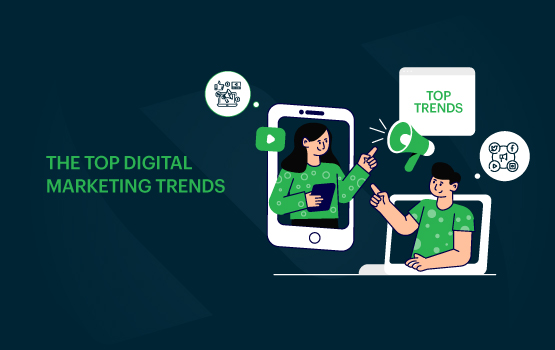
What’s Changing, What’s Staying, and What Actually Matters
Let’s start with the truth.
Digital marketing never stands still. What worked last year feels outdated today. And by 2026, a lot of things we rely on right now will look very different.
But here’s the thing. Not every “new trend” is worth chasing. Some trends change tools. Some change behavior. And a few quietly change the entire game.
We’ve seen SEO go from keyword stuffing to intent matching.
We’ve seen social media shift from fun posts to serious business channels.
We’ve watched automation rise, fall, and rise again with AI.
So instead of hype, let’s talk about what’s really happening. And more importantly, what brands should actually prepare for.
1. Search Is No Longer Just Search
People don’t search the way they used to.
Earlier, it was short phrases like “best running shoes” or “digital marketing tips.”
Now, it sounds more like, “Which running shoes are best for flat feet and daily walking?”
This shift matters.
AI-powered search engines don’t just show links anymore. They generate answers. They summarize. They decide which brands are worth mentioning.
What this really means is simple. If your content does not clearly answer real questions, you won’t show up. Even if your website looks great.
For businesses working with a digital marketing company in Ahmedabad, this change is already visible. Search results are becoming more conversational, more selective, and more focused on trust.
The goal is no longer just ranking.
The goal is to be chosen by AI as a reliable source.
2. Content Will Be Judged by Clarity, Not Volume
For years, brands believed more content meant better results.
More blogs. More posts. More keywords.
That phase is ending.
By 2026, quality will beat quantity every single time. Search engines and AI tools are learning how to detect fluff. Rewritten content. Surface-level blogs. Posts written just to “stay active.”
What works now is content that:
- Answers one problem clearly
- Uses simple language
- Shares real experience or insight
- Gets to the point fast
This doesn’t mean long content is bad. It means long content must be useful.
If your content sounds like it was written for algorithms instead of humans, it will be ignored by both.
3. Social Media Is About Relationships, Not Reach
Let’s be honest.
Going viral is rare. And chasing virality is exhausting.
By 2026, brands that win on social platforms will be the ones that build trust, not noise. The focus is shifting from “how many people saw this” to “how many people stayed.”
This is where Social Media Marketing becomes more intentional.
What’s changing:
- Smaller but loyal audiences matter more
- Comments and saves matter more than likes
- Stories, DMs, and communities drive action
- Consistency beats trends
People follow brands that feel human. Brands that listen. Brands that don’t try to sell in every post.
The future of social media is less about posting more and more and more and more about posting smarter.
4. AI Will Be a Tool, Not a Shortcut
AI is everywhere right now. And yes, it’s powerful.
But here’s my honest take. AI won’t replace good marketers. It will expose the bad ones.
By 2026, AI will handle:
- Drafts and outlines
- Data analysis
- Performance predictions
- Basic automation
But strategy, creativity, and judgment will still be human jobs.
The brands that succeed will use AI to save time, not to avoid thinking. They’ll use it to test faster, learn quicker, and improve decisions.
If your entire marketing plan depends on AI tools alone, you’re building on weak ground.
5. SEO Is Becoming More Human
SEO is no longer about tricks. It’s about understanding people.
Search engines are getting better at knowing:
- What users actually want
- Which content feels helpful
- Which brands are trustworthy
That’s why SEO services today look very different from five years ago.
The focus now is on:
- Clear structure
- Strong internal linking
- Natural language
- Real expertise
- Helpful answers
By 2026, SEO will be deeply connected to brand reputation. If people trust you, search engines will too.
You can’t fake authority anymore. You have to earn it.
6. First-Party Data Will Be Gold
Cookies are fading. Privacy rules are tightening. Tracking is harder.
This scares many brands. But it shouldn’t.
Because first-party data is becoming more valuable than ever.
This includes:
- Email subscribers
- WhatsApp opt-ins
- Website behavior
- Community feedback
Brands that build direct relationships with their audience will be safer and stronger.
The future belongs to businesses that don’t depend fully on ads or platforms they don’t control.
If you own the relationship, you own the growth.
7. Video Will Do More Than Entertain
Video is no longer optional. But it’s also not just for views.
By 2026, video will:
- Drive search visibility
- Support sales decisions
- Build trust faster than text
- Explain complex ideas simply
Short videos will grab attention. Long videos will build authority.
The mistake brands make is choosing one over the other. The smart move is to use both for different stages of the customer journey.
8. Personalization Will Feel Normal
People expect brands to know them. Not in a creepy way. In a useful way.
Showing the same message to everyone won’t work anymore.
Personalization in 2026 will look like:
- Different content for different stages
- Smarter email journeys
- Relevant recommendations
- Context-based messaging
The brands that get this right won’t feel “salesy.” They’ll feel helpful.
9. Marketing Teams Will Get Leaner, Not Smaller
Automation will reduce repetitive tasks. But it won’t reduce responsibility.
Marketers will be expected to:
- Understand data
- Think strategically
- Connect channels
- Explain results clearly
The role is evolving from execution to decision-making.
Those who adapt will grow fast. Those who resist change will struggle.
10. The Big Shift: Strategy Over Tactics
Here’s the biggest trend most people miss.
Tools will change. Platforms will change. Formats will change.
Strategy will not.
By 2026, brands that succeed will:
- Know their audience deeply
- Set realistic goals
- Stay consistent
- Measure what matters
- Adapt without panic
Marketing is becoming less about hacks and more about long-term thinking.
And honestly, that’s a good thing.
Final Thoughts
Digital marketing in 2026 won’t reward those who chase every new trend. It will reward those who understand people, use technology wisely, and stay clear about their goals.
The future is not about doing everything.
It’s about doing the right things, consistently, and with purpose.
If you focus on clarity, trust, and value, the results will follow.
And they’ll last.





 14 Mar 2026